





















Merino Wool
🐑 Merino Wool vs. Synthetic: What Really Works for Winter Sports?
Zero Cozy
0 comments


Winter sports ask a lot from your clothing. Cold starts, warming up fast, sweating through climbs, cooling down again—all sometimes within the same hour. That’s why winter sportswear and running gear have to do more than just handle the cold.
The question isn’t simply whether your gear looks good. It’s whether it keeps up with how winter actually feels. If you’ve ever wondered whether merino wool or synthetic fabrics perform better for winter running, hiking, or snow days, you’re not alone.
Let’s break it down—without the lab-coat energy.
The Real Challenge of Winter Movement
Winter isn’t just cold. It’s inconsistent.
You start bundled up, feel perfect ten minutes in, then suddenly overheat. You slow down, the wind picks up, and now you’re cold again. Good winter gear doesn’t just keep you warm—it adapts as your body does.
This is where fabric choice matters more than people realize.
-
Warmth That Adjusts, Not Overpowers
Synthetic fabrics are great at trapping heat quickly, which can feel comforting at first. But once your heart rate rises, that trapped warmth often turns into overheating.
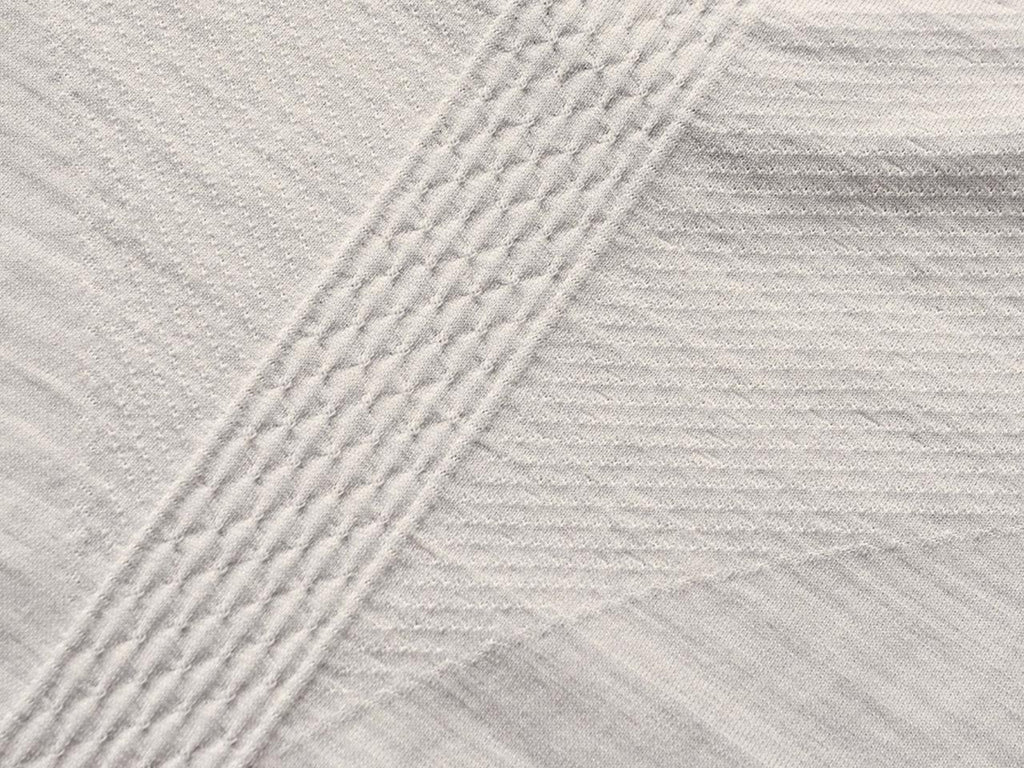
Merino wool works differently. It warms you gently, then releases excess heat as your body temperature climbs. The result is warmth without that suffocating feeling—especially important during stop-and-go winter activities like trail running or hiking.
You stay comfortable longer, without constantly peeling layers on and off.
-
Moisture Management That Feels Natural
Sweat is inevitable, even in winter. What matters is what happens next.
Synthetic fabrics push moisture away from the skin, but they don’t absorb it. That means sweat can linger, cool quickly, and leave you feeling damp once you slow down.
Merino wool absorbs moisture vapor and releases it gradually, helping regulate temperature even when you’re moving between effort levels. It’s why merino still feels warm when slightly damp—and why winter workouts feel less… dramatic.
-
Odor Resistance You Don’t Have to Think About
Let’s be honest: winter layers get worn more than once.
Synthetic fabrics tend to hold onto odor, especially after high-output sessions.
Merino wool naturally resists odor thanks to its fiber structure, which inhibits odor-causing bacteria.
Translation? Fewer washes, fresher layers, and clothing that feels ready for both movement and everyday wear.
-
Comfort That Lasts All Day
Comfort isn’t just about softness—it’s about how fabric behaves over time.
High-quality merino fibers are ultra-fine and flexible, allowing them to move with your body instead of against it. There’s no stiff, plasticky feel. No scratchiness. Just a fabric that settles in and stays comfortable, whether you’re logging miles or heading out for coffee afterward.
That all-day wearability is what makes merino feel like a lifestyle choice, not just a performance one.
-
Durability Without the “Technical Look”
Synthetic fabrics are often marketed as more durable, but modern merino blends challenge that idea. When reinforced thoughtfully, merino layers hold their shape, resist wear, and recover beautifully after repeated use.
And unlike many synthetic pieces, merino wool doesn’t scream “technical.” Clean lines and soft structure make it easy to move from outdoor settings into everyday life—no outfit change required.
-
A More Thoughtful Choice for Winter
Beyond performance, there’s also the environmental side of the conversation.
Synthetic fabrics are petroleum-based and shed microplastics over time. Merino wool is renewable, biodegradable, and naturally long-lasting. For many people, choosing merino is about aligning what they wear with how they want to move through the world—more intentionally, less wastefully.
Why COZY ZERO’s Merino Wool Essentials Stand Apart
At COZY ZERO, we design merino gear for women who move—through cold mornings, long runs, weekend hikes, and everyday winter life. Our philosophy is simple: Seamless on skin, Effortless in action. Every piece is built to feel soft on skin, perform in motion, and stay beautiful beyond the trail.

-
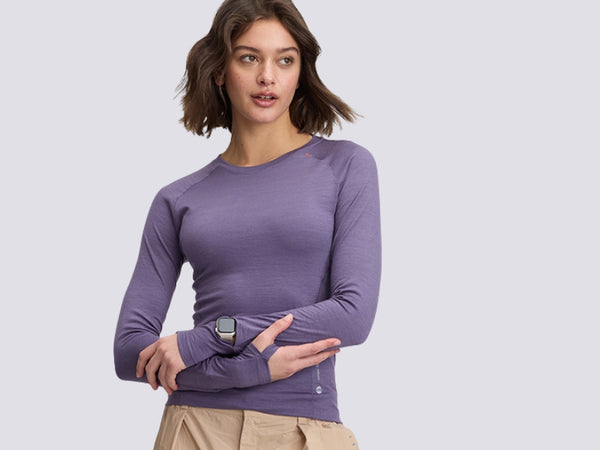
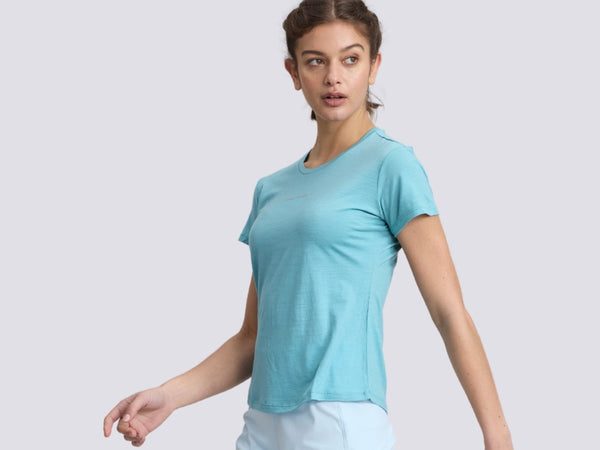
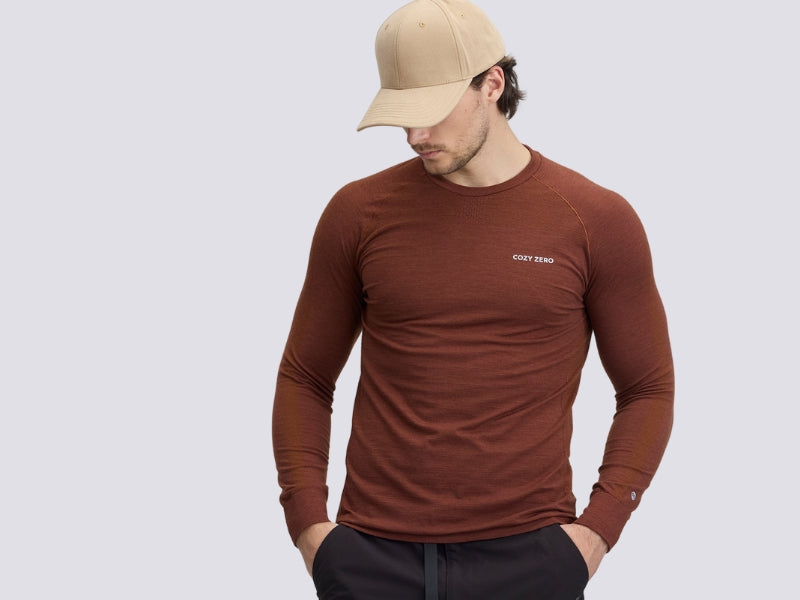
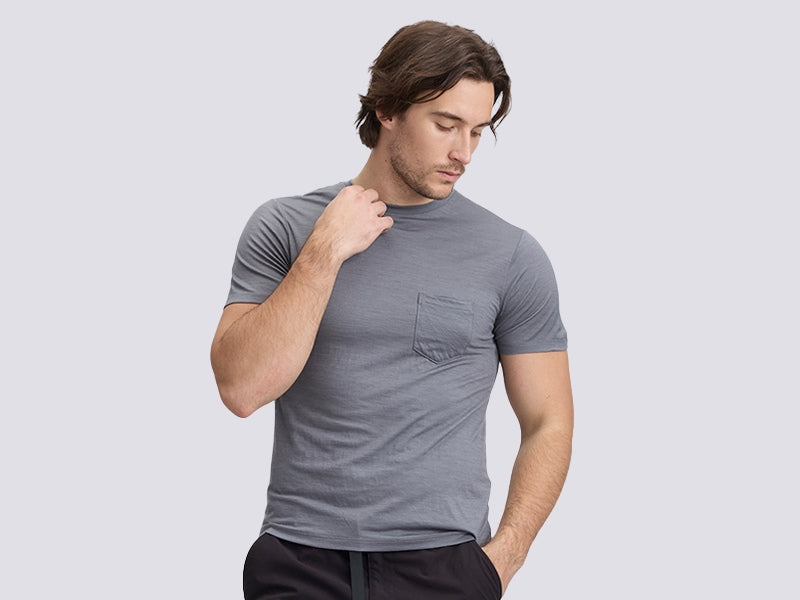
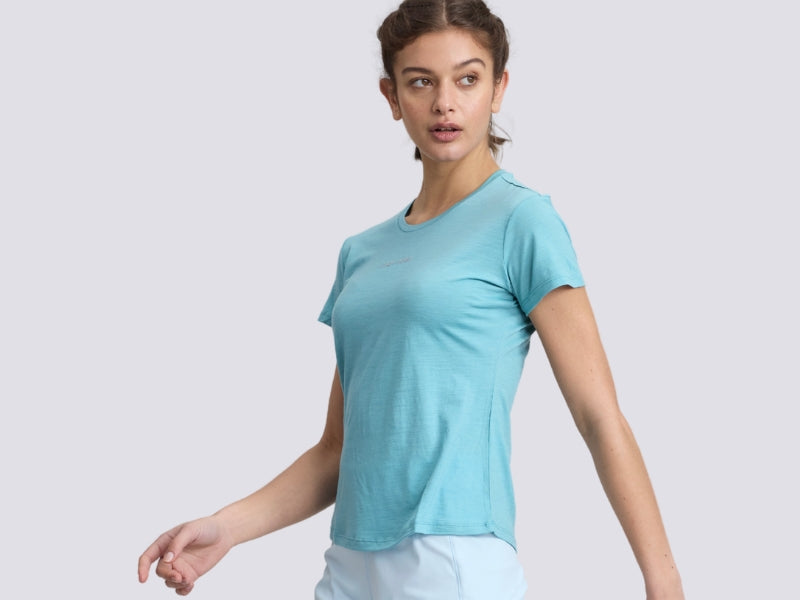
Merino Wool Base Layers — Lightweight, breathable layers that regulate temperature and keep skin dry from cold runs to everyday wear.
-
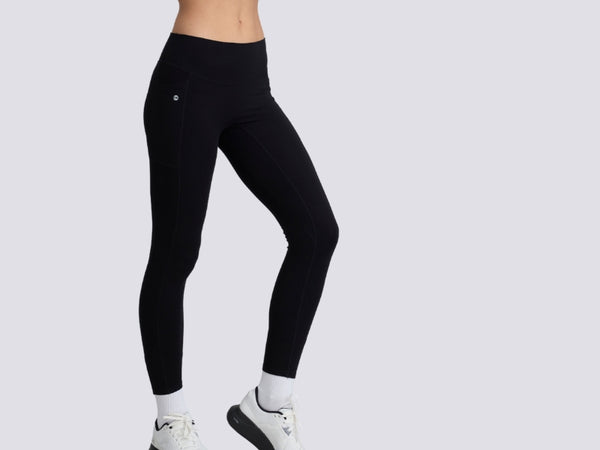
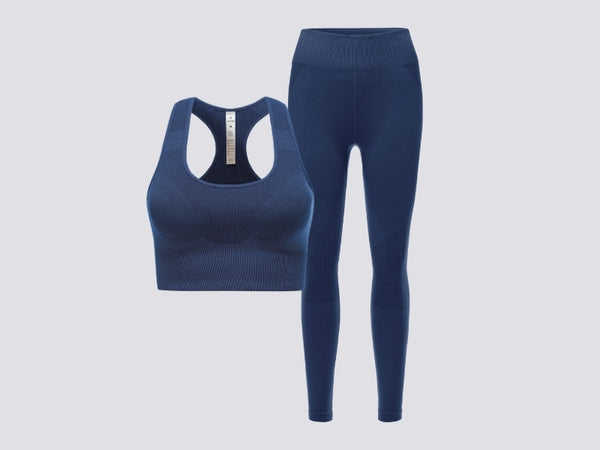
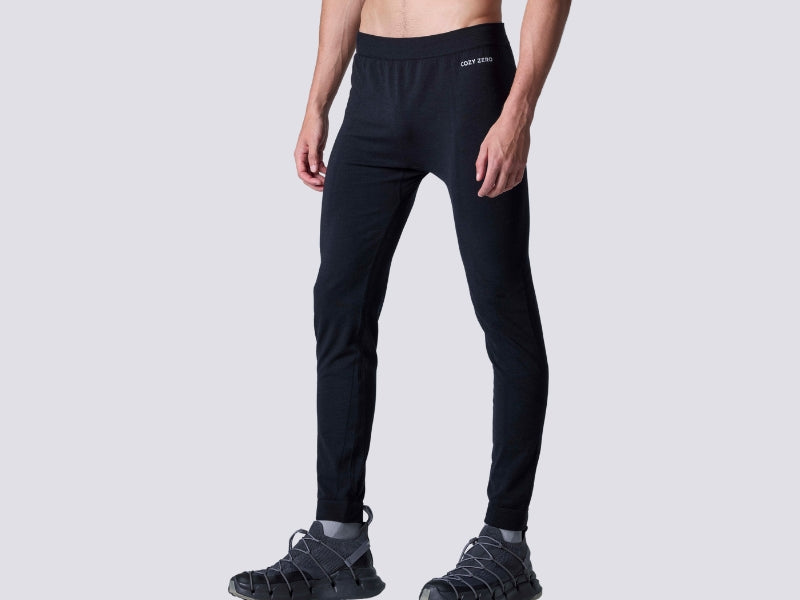
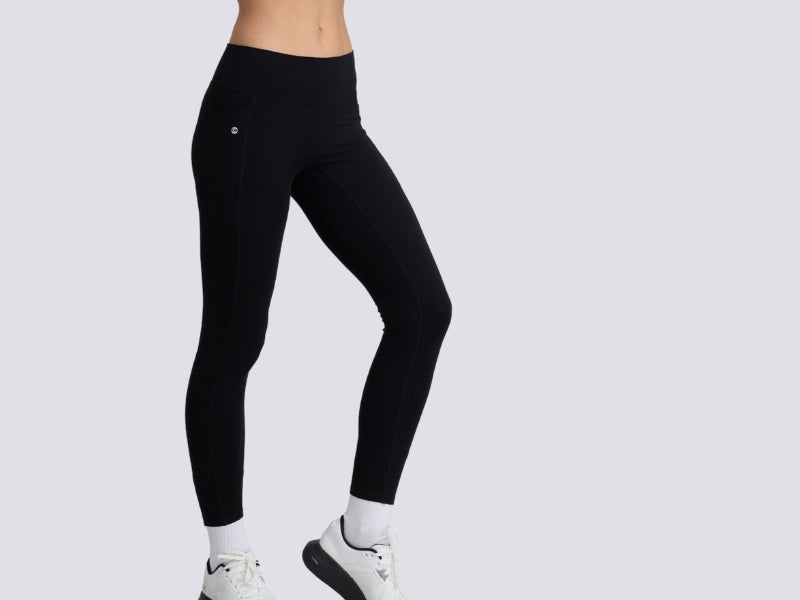
Merino Wool Leggings — Soft yet supportive merino leggings that move naturally, offering warmth and comfort for winter training and travel.
-
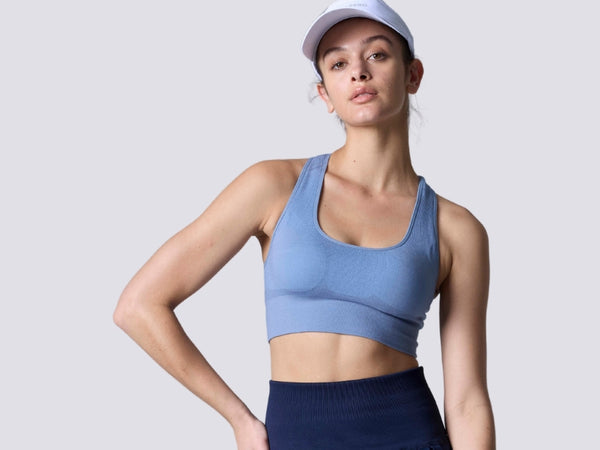
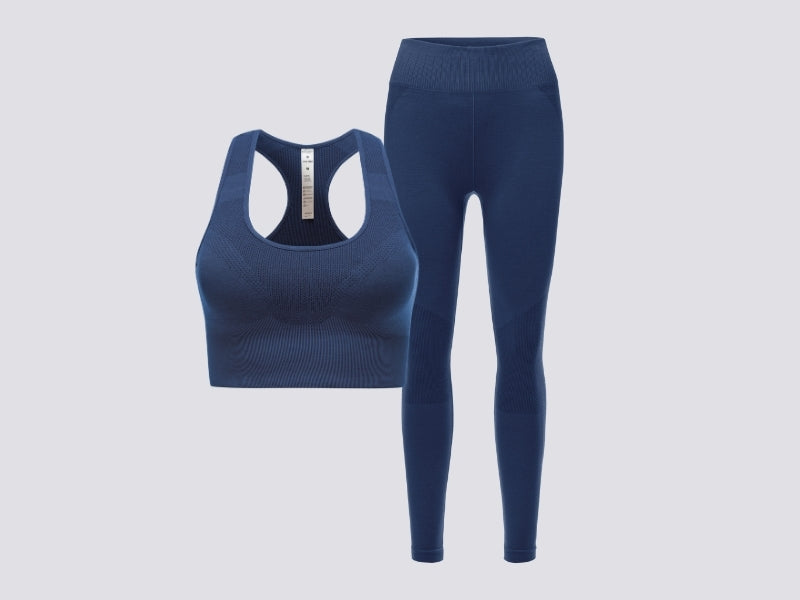
Merino Wool Bras — Breathable, skin-soft support designed for movement, layering, and all-day comfort—without synthetic stiffness.
-
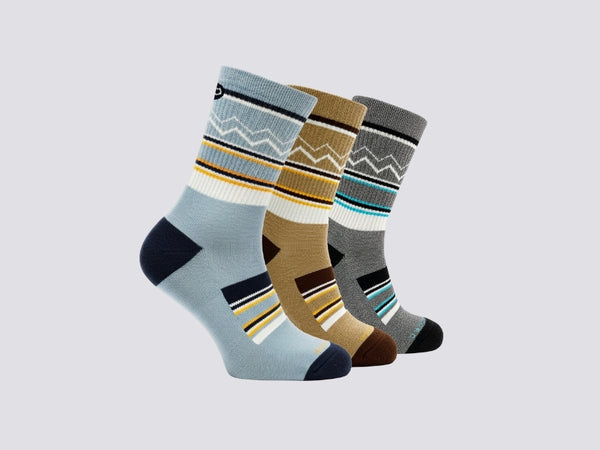
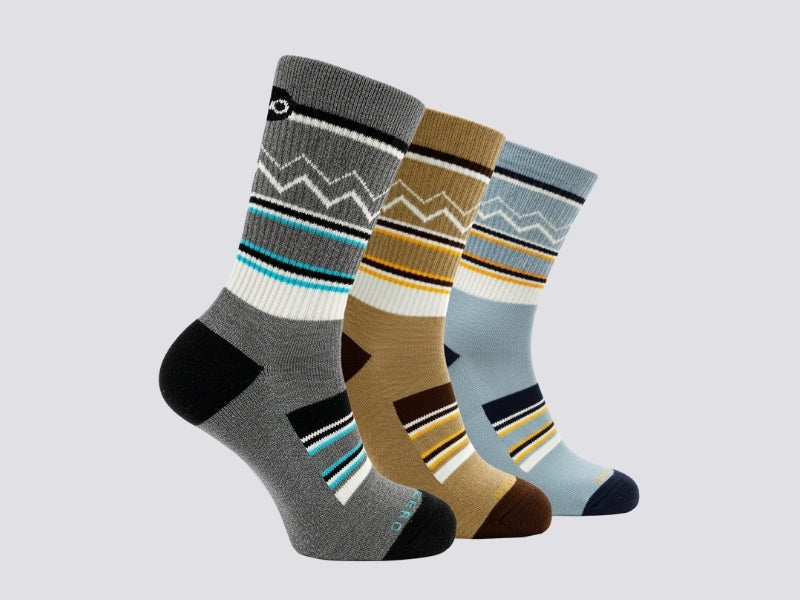
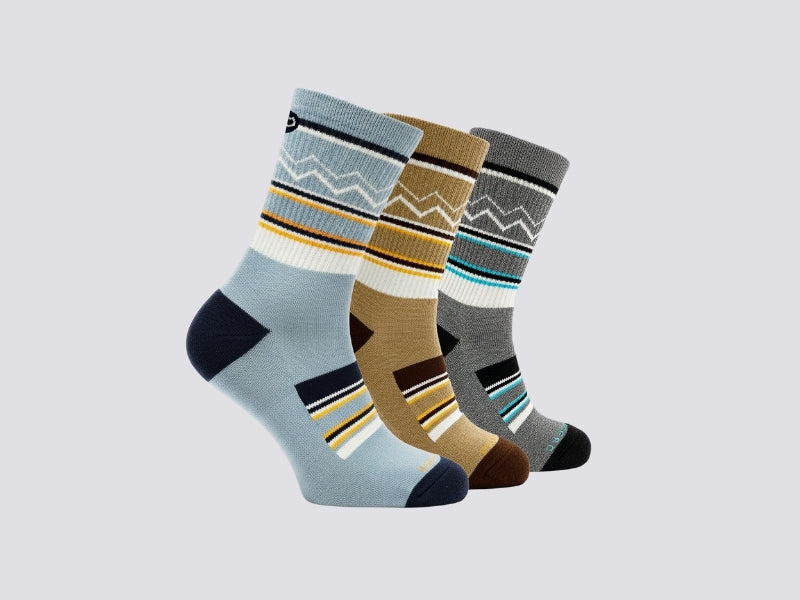
Merino Wool Socks — Naturally warm, moisture-managing socks that stay fresh and comfortable through long winter days.
Choosing What Works for Your Winter Routine
Synthetic fabrics can work for short, high-intensity sessions or very specific conditions. But for most winter sports—and real-life winter movement—merino wool offers a more balanced experience.
It adapts. It breathes. It stays comfortable across changing conditions. And it fits naturally into an active winter lifestyle that doesn’t stop when the workout ends.
Winter doesn’t need to feel like something you fight against. With the right layers, it becomes something you move with—warm, confident, and completely at ease.


